httpv://www.youtube.com/watch?v=zDtDtn5n8-A
 A new movie on snake research, an Alex Pyron production, features not only great snake footage, but cameo appearances by anoles and Frank Burbrink explaining how he got out of prison and into herpetology (see disclaimer below), as well as wildfires in the Brazilian Cerrado, and plenty of other frogs, lizards, and rock and roll music.
Alex explains: “Most people think of science as being fairly boring most of the time. They are probably right. However, readers of this page are more likely familiar with another side of the story. Those of us who do field work are lucky enough to get paid to flip rocks for a living, chasing after the most exciting creatures on the planet. Books like Snakes and Snake Hunting and The Snake Charmer captured some of this adventure, and gave many of us an early glimpse into the future careers that awaited us. Bringing this magic to the silver screen is snakehandlers: these signs shall follow them, the new documentary about field herpetology that you never knew you needed (or wanted).
Shot across one year, snakehandlers follows Alex Pyron and a rotating band of pirate misfits across the U.S., Panama, Ecuador, and Brazil in search of tissue samples from the rarest (and commonest) herps around, to fuel the fires of our phylogenetic frenzy. Along the way, a wildfire rips across the Brazilian Cerrado, the clouds boil in the Northern Andes, Frank Burbrink shares his hard-luck tale of crime and punishment on the road to redemption from state prison to evolutionary biology*, famous herpetologists from the past speak to us across time, and new species are discovered left and right.
At its core, snakehandlers tries to answer the question of why we work with snakes to begin with. Herpetologists from every corner share their stories about the interests and experiences that brought them into the field. On the whole, though, the question remains unanswered; how could it be? Why do we do something as crazy and absurd as handle snakes or chase anoles? Watch snakehandlers and see if you can figure that out for yourself, in a movie that does for snakes what Plan 9 did for Outer Space.
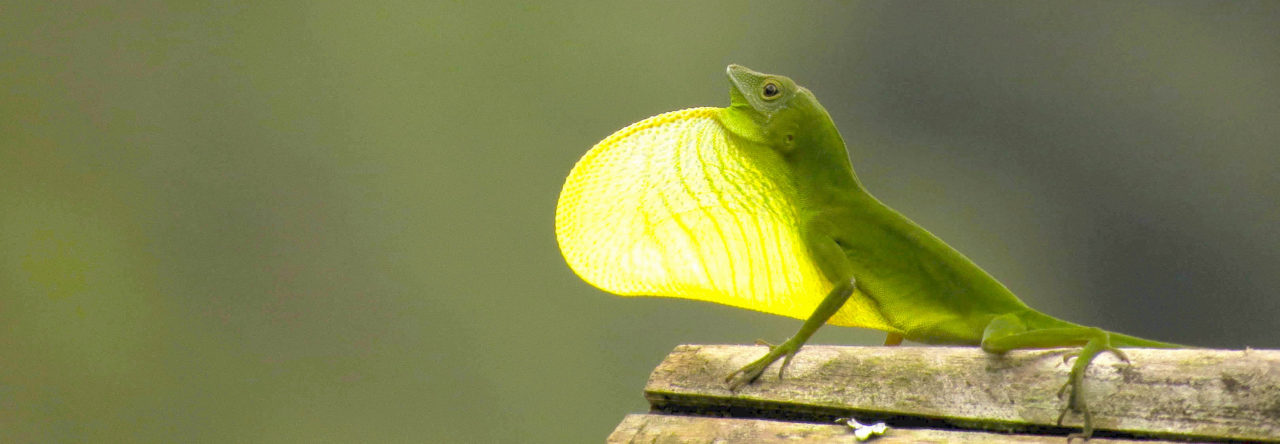
As a plus (or a main attraction) for readers of Anole Annals, have fun spotting at least six species of Anolis from North, Central, and South America! Happy herping…
*The producers of snakehandlers were unable to verify the accuracy of all participant interviews.”



.jpg)