Category: New Research Page 8 of 67

Exercise Can Kill You (If You’re an Anole)!

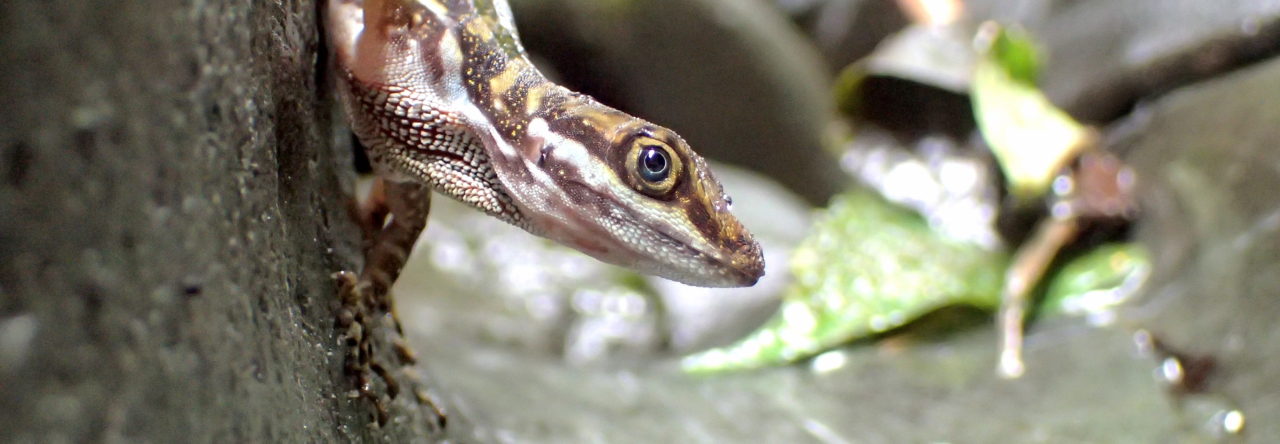
Green anoles were trained, marked, released, and tracked in New Orleans. Photo by Jerry Husak.

In the US, we spend a lot of money trying to stay fit. This isn’t necessarily a bad thing, since there is a major problem with obesity and type II diabetes in the country. In humans, investment in increased performance abilities via the exercise response is also associated with numerous health benefits, such as decreased incidences of metabolic syndrome, cardiovascular disease, obesity, and diabetes, and aerobic capacity is considered to be an important predictor of longevity. However, it is these “side effects” that make exercise so interesting to an evolutionary biologist, because those wide-ranging, multi-system responses can tell us something about the evolution of animal life histories.

Superior locomotor performance has been shown to be advantageous to a variety of organisms in terms of male combat success, survival, and fitness. In addition, one of the most striking aspects of exercise physiology is how similar the response to exercise is across vertebrate animals, suggesting that the response to exercise is both ancient (yes, even fish respond to exercise!) and adaptive. However, until now, no studies have tested whether non-human animals that invest in increased athletic performance through exercise realize a fitness advantage in nature.

Jerry Husak and Simon Lailvaux set out to test whether superior performance after exercise training would increase survival probability in green anole lizards. Previous work with green anoles showed that they respond to different forms of exercise training, and that enhanced performance results in tradeoffs in other systems, such as reproduction and immnuocompetence. Why? Because performance abilities are energetically expensive to build, maintain, and use.

Urban islands in New Orleans where the study was conducted. Photo by Jerry Husak.

Jerry and Simon conducted their study in a New Orleans urban park that they cleared of existing lizards. They trained 30 lizards (15 male, 15 female) for endurance on a treadmill, 30 lizards for sprinting with weights on a racetrack, and had 30 untrained controls. All were released into isolated, urban islands in New Orleans, LA, USA and monitored for survival over an active season, over winter, and through the next active season. They predicted that training would enhance survival during the active season, but that the associated maintenance costs of training would decrease survival overwinter compared to controls.

This male made it a year in the wilds of New Orleans, but it looks like it was a rough year. Photo by Jerry Husak.

Contrary to expectations, they found that sedentary controls realized a significant survivorship advantage over all time periods compared to trained lizards. Trained lizards had reduced immune systems and lower fat stores, suggesting that in an environment with limited resources, it does not pay to exercise too much. These results suggest that locomotor capacity is currently optimized to maximize survival in green anoles, and that forcing additional investment in performance moves them into a suboptimal phenotypic space relative to their current environmental demands. We as humans can get away with it because we are not food limited. On the other hand, this is why doctors suggest consultation before going on a diet and doing intensive exercise training.

Source: Husak, J.F., and S.P. Lailvaux. 2019. Experimentally enhanced performance decreases survival in nature. Biology Letters 15:20190160. doi: doi.org/10.1098/rsbl.2019.0160.

Of Anoles and Salad: From Steinbeck to Prebagged Lettuce

Lizard in a grocery store salad

“I got an idea and I can’t get rid of it. I go to sleep and it comes right back at me. Never had anything give me so much trouble. It’s kind of a big idea. Maybe it’s full of holes.” – Adam Trask in East of Eden.

Embed from Getty Images

John Steinbeck (1962): The year he won the Nobel Prize in Literature.

So, what was Adam Trask’s big idea in John Steinbeck’s magnum opusEast of Eden”? And, more importantly, how does it relate to anoles? The kernel of an idea that would eventually revolutionize the salad industry—and link anoles to a literary legend—can be found in the fictional dialogue written by Steinbeck in 1952.

“… they’ve dug up a mastodon in Siberia. Been in the ice thousands of years. And the meat’s still good.”  said Adam Trask.

“Mastodon?” inquired Will Hamilton.

“Yes, a kind of elephant that hasn’t lived on the earth for a long time.”

“Meat was still fresh?” asked Will.

“Sweet as a porkchop”  proclaimed Adam.

Steinbeck was born in the Salinas Valley of Central California, known as “America’s Salad Bowl” for its prodigious production of leafy greens. He spent many summers, while away from college at Stanford, working in the vegetable fields near Salinas. Steinbeck’s fondness for his birthplace and working knowledge of the agriculture industry is a cornerstone to many of his novels, especially “East of Eden.”

“… in the cold parts of the country, don’t you think people get to wanting perishable things in the winter—like peas and lettuce and cauliflower? In a big parts of the country they don’t have those things for months and months. And right here in the Salinas Valley we can raise them all the year around.” declared Adam.

“Right here isn’t right there,” said Will. “What’s your idea?”

“… if you chop ice fine and lay a head of lettuce in it and wrap it in waxed paper, in will keep three weeks and come out fresh and good.” said Adam.

“Go on,” said Will cautiously.

“Well, you know the railroads … they’re pretty good. Do you know we could ship lettuce right to the east coast in the middle of winter?”

The perennial availability of perishable vegetables in the United States is now commonplace, but in the early 1900s, it made literary characters like Will Hamilton exclaim to Adam Trask to “let your damned idea die.” In fact, America’s most popular lettuce variety (iceberg) was originally called crisphead, until Salinas Valley growers began packing it with crushed ice and shipping it nationwide. The genesis of Adam Trask’s business plan was obviously fictional, but the idea of shipping lettuce with ice was successful and revolutionary in the early 1900’s; however, the method never quite kept vegetables fresh for long enough.

“What arrived in New York was six carloads of horrible slop with a sizable charge just to get rid of it.” – East of Eden by John Steinbeck.

In the pursuit of profitable ways to ensure lettuce does not turn into “horrible slop,” the next advance in production came from the humble bag. Lettuce can last for days on ice, but a bagged salad can last for a couple of weeks. It’s always difficult to establish the original (or best) anything in the food industry (vis-à-vis famous rivalries such as Pat’s versus Geno’s for cheesesteaks or Pepe’s versus Sally’s for pizza), but the late 1980s in the Salinas Valley is believed to be when and where the first bagged salads were packaged, distributed from, and then sold nationwide. The bagged salad turned a commodity crop whose predictability was in the capricious hands of nature into a consumer good as constant on the shelves of stores as shampoo or Twinkies.

Over the next decades, prepackaged leafy green vegetables boomed. To keep up with demand, growers invented creative ways to automate aspects of the production process, such as mechanically harvesting leafy greens. They also ramped-up the speed across the entire supply chain, such that lettuce could be bagged in the field within minutes of harvest and then sent overnight to supermarkets nationwide. These overlapping vignettes of industrial prepackaged salads provide the backdrop for a distinctly modern human-wildlife interaction: Small wild animals found by customers in prepackaged produce.

In our recent paper, we attempted to shed light on this poorly understood phenomenon by surveying online news articles for reported incidents. In doing so, we found that this is a much more common occurrence than one might think and that incidents encompassed representatives of several vertebrate groups. Most incidents involved amphibians (treefrogs and toads), and then reptiles (lizards and snakes), mammals (rodents), and birds. Anoles were the most common lizard that we could identify from the pictures and descriptions provided in the reports. The anole incidents included Green Fruit Loop, the aptly named Green Anole that became a class pet at Riverside Elementary in New Jersey. We suggested that the likely source of Green Anoles among the incidents was Florida because not only is the species is common there, but by 2012 the state was the third largest producer of leafy green vegetables in the United States, behind only California and Arizona.

Figure 1 from Hughes et al. (2019): Taxonomic and temporal breakdown for 40 incidents of extemporaneous wild animals found by customers in prepackaged produce items purchased in the United States. A) Vertebrate diversity among incidents; B) Annual distribution of incidents; and C) Monthly distribution of incidents.


An interesting social element emerged from my deep-dive into the trenches of the internet. I found that these incidents were shrouded in uncertainty and thus reporters often relied on anecdotes to discuss and describe them. One common urban myth was that these incidents almost never happen and the second was that if they happen, then it was because the produce was organic. In contrast to these popular views, we found that at least 40 incidents were reported since 2003—so, not exactly rare—and that less than 30% of incidents involved organic produce—most actually came from conventionally grown crops. For greater context and more details, see the Discussion of our paper where we address: 1) why these unfounded views may have persisted; 2) spatial, taxonomic, and seasonal patterns to our findings; 3) our results in the context of competing demands imposed upon the produce industry; and 4) the biosecurity concerns relating to the unintentional translocation of wild amphibians.

Modern agriculture has taken significant steps towards industrialization since the time that John Steinbeck penned Adam Task’s revolutionary idea (see Epilogue). Industrialization of food production will help to address the problems associated with feeding 9 billion people, a figure that is projected for the human population by 2050. Wild vertebrates in prepackaged produce, however, may be one symptom of an overburdened and overstretched produce production system. Any solution to this problem will not likely come from greater controls for wildlife, such as the currently employed “scorched earth” approach, but rather from the decentralization of agriculture. We suggest that the best approach would be to first invest in research aimed at studying a wide segment of biodiversity near agricultural lands, which will help growers assess potential intrusion risks of more species, and second to adopt quality control methods that account for a greater diversity of wildlife to improve screening at more stages in the produce supply chain.

Epilogue:

The birth of Adam Trask’s plan was fictional, but the growth of that idea, as depicted in the novel, is a great example of John Steinbeck’s (often overlooked) scientific mind. While many people my age read “Of Mice and Men” in high school and got to know Steinbeck the literary genius, they may not know Steinbeck the scientist. Ed Ricketts was a marine biologist that became a lifelong friend to Steinbeck when he moved to Monterey in the 1930s. The relationship between the writer and the scientist was one of mutual respect and admiration. At one point, they even undertook a six-week specimen-collecting expedition to the Gulf of California, which resulted in two published books. Not only was Ricketts the basis for Steinbeck’s character “Doc” in several novels (e.g., “Cannery Row”), but the influence he had on Steinbeck is unmistakable in many of his other works, including “East of Eden.” Adam Trask, for example, spawned his idea for preserving lettuce with ice from a scientific expedition that found a frozen mastodon in Siberia, and he read about this finding, refrigeration science, and bacterial growth in articles from “Atlantic Monthly,” “National Geographic,” and “Scientific American.” The mentioning of these specific journal titles in “East of Eden” was by no coincidence as they would have been the same ones that Steinbeck saw, and likely read, in Rickett’s lab, a place that he visited frequently. At the time of Ricketts death in 1948 (which sent Steinbeck into a depression), the two were planning another collecting expedition to British Columbia and another book.

Island Lizards are Expert Sunbathers, and It’s Slowing Their Evolution.

Anolis chloris soaks up the sun while displaying.

If you’ve ever spent some time in the Caribbean, you might have noticed that humans are not the only organisms soaking up the sun. Anoles – diminutive little tree lizards – spend much of their day shuttling in and out of shade. But, according to a new study in Evolution led by Dr. Martha Muñoz at Virginia Tech and Jhan Salazar at Universidad Icesi, this behavioral “thermoregulation” isn’t just affecting their body temperature. Surprisingly, it’s also slowing their evolution.

The idea that evolution can be slow on islands is actually somewhat strange. Ever since Darwin’s journey to the Galapagos, islands have been recognized as hotspots of rapid evolution, resulting in many ecologically diverse species. The reason why evolution often goes into overdrive on islands has to do with the ecological opportunity presented by simplified environments. When organisms wash up on remote islands, they find themselves freed of their usual competitors and predators, which frees them to rapidly diversify to fill new niches. This phenomenon of faster evolution is often referred to as the “island effect.”

Yet, the researchers discovered that physiological evolution in Anolis lizards is actually much slower on islands than on the mainland. What is causing evolution to stall? According to Dr. Muñoz, the same ecological opportunity that frees island organisms from predators also facilitates behavioral thermoregulation. “Whereas mainland lizards spend most of their time hiding from predators, island lizards move around more, and are able to spend much of their day precisely shuttling between sun and shade,” she says. If it gets too hot, island lizards simply go find a shady spot. If it gets too cold, they can dash onto a sunny perch. By thermoregulating, island lizards are not just buffering themselves from thermal variation. They are effectively shielding themselves from natural selection. If lizards aren’t exposed to extreme temperatures, then selection on physiology is weakened. The result? Slower rates of physiological evolution. Effectively, island lizards use behavioral thermoregulation like SPF against natural selection!

Jhan Salazar notes that, “Our results show that faster evolution on islands is not a general rule.”  This slower physiological evolution on islands stands in stark contrast to morphology, which has been shown to evolve faster in island anoles. When it comes to morphology and physiology on islands, it seems we are looking at different sides of the same coin. The same ecological release from predators and competition that allowed for the truly impressive amount of morphological diversification that has appeared quickly among island anoles, seems to additionally allow for more behavioral thermoregulation which slows physiological evolution.

“We are discovering that organisms are the architects of their own selective environments,” says Muñoz, “meaning that behavior and evolution are locked together in a delicate dance. This pas de deux tells us something important about how diversity arises in nature.”

Jhan Salazar holds an anole from Colombia.


Concrete Escape: Increased Wariness of Anoles when Escaping from Cement Walls


Fig. 1. Anoles perched on various manmade surfaces 

Lizards in the city are everywhere! Often you see them on buildings, statues, benches and other objects (Fig 1). These manmade structures are very different from natural substrates and thus might affect their locomotor ability and escape responses. This observation led me to develop questions around how lizards respond to incoming threats when using these artificial structures. I am very grateful that I got to “get my feet wet” tackling some of these questions during my master’s degree as a member of the Kolbe Lab in the University of Rhode Island.

In our recent paper, we contrasted the escape response of Anolis cristatellus in forests versus cities, and within the latter, between lizards perched on natural versus manmade surfaces. We selected this question because we believed that the heterogeneity of habitat structure in the city might influence the decision-making of flight responses. When a predator approaches, an animal should flee when the costs of staying outweigh the energetic costs of fleeing. Consequently, we hypothesized that the cost of flight varies when the animal is perched on smooth surfaces. However, we expected that city lizards should have reduced flight responses largely influenced by habituation to humans.

The bad habits of habituation

One of the major hurdles involved designing our project to separate the component of behavioral adjustments to humans versus structural habitat differences when contrasting escape responses. The literature often has used the concept of habituation as a discussion point when contrasting flight responses of habitats that differ in human activity. Only a few studies have attempted to quantify how human activity might influence escape responses. We explored this concept by sampling lizards perched on trees at edges of a forest trail or sidewalk that were frequently visited by pedestrians and cyclers. Lizards perched closest to the trail or sidewalk should be more exposed to human activity and respond with reduced flight initiation distance. We found that forest lizards perched at the edge of the trail had shorter flight initiation distances (Fig. 2). Lizards perched 4m away from the trail had longer flight responses. In contrast, city lizards sampled at trees along a sidewalk showed no difference in flight response with increasing distance from the sidewalk. With this, we were able to show how habituation influenced escape responses, possibly driven by the degree lizards were able to see human activity. At 4m from the forest trail, we had very limited visibility of the trail. In contrast, in the sidewalk at 8m away from the sidewalk, we could see the sidewalk, the road and the sidewalk at the other side of the road. However, more work specifically directed to tackle the concept of habituation is needed to understand its role in facilitating the successful colonization of urban habitats.

Fig. 2. Log flight initiation distance of lizards sampled with increasing distance away from a trail in the forest or a sidewalk in the city.

The wall

City lizards were abundantly using cement and metal structures. For this reason, we compared escape responses of forest lizards on trees to city lizards on cement, metal and trees. Most of the cement structures were large buildings, whereas metal often included fence posts and light fixtures. Both metal and cement are smoother than bark and greatly reduce stability during locomotion. When lizards run vertically on smooth surfaces, they are more likely to slip and fall. We hypothesized that such locomotor constraints should increase the cost of flight and thus lizards on manmade surfaces should have longer flight initiation distances. We found that forest lizards had the longest flight initiation distance (Fig 3). Surprisingly, we found that there was no difference in flight response between city lizards perched on trees and those on metal posts. Metal perches were often cylindrical and lizards could circle around the perch, breaking away from the line of sight. In contrast, cement walls were often long and required lizards to either slowly move up and out of reach or sprint longer distances to circle towards the next connecting wall. The ability to quickly hide with a short burst of movement decreased the cost of flight on metal posts.

Fig. 3. Flight initiation distance of forest anoles perch on trees and urban anoles perched on trees, metal posts and cement walls.

Escape in the city

We found that even though sprinting performance is lower on artificial perches, lizards often perch on these surfaces. It’s likely that behavioral modulation plays a role in increasing their success in evaluating predation risk when using these perches. If I were to continue this study, I would track individual lizards to contrast their response when perching on the various natural and man-made surfaces. Additionally, multiple tests on marked individuals would allow for a more appropriate test of habituation across these populations.

Anoles as Models for Dry Fibrillar Adhesion

This slideshow requires JavaScript.

The adhesive structures of geckos have been the subject of extensive inquiry across a variety of disciplines ever since Autumn et al. (2002) discovered that van der Waals intermolecular forces are the main driver of gecko adhesion. Geckos adhere to surfaces using expanded subdigital scales (scansors/lamellae) that are covered in thousands of beta-keratin fibrils (setae) that branch into hundreds or thousands of triangular-shaped tips (spatulae) that are about 200 nanometers in width (see slideshow for images). Spatulae make intimate contact with a surface resulting in van der Waals intermolecular forces. Gecko adhesive toe pads are multifunctional; they are a reversible dry adhesive, they can adhere to a variety of surfaces, they can adhere underwater in some conditions, they have self-cleaning and self-drying capabilities, and they can adhere in a vacuum (see Autumn et al. 2014 for a recent review of gecko adhesion). A number of gecko-inspired synthetic adhesives have been generated over the years, but have not yet managed to replicate the multifunctionality observed in the natural system (Niewiarowski et al. 2016). There are a number of potential explanations for this, but one could be that most gecko-inspired synthetic adhesives are simplified single fibers that do not fully replicate the multiply branched structure of gecko setae. Anoles, however, have independently evolved adhesive toe pads with fundamentally simpler microstructures compared to their gecko counterparts; anole setae are single fibers with a single, larger spatulate tip and more closely resemble the gecko-inspired synthetic adhesives that are currently capable of being generated (see slideshow for images). Therefore, anoles may be an excellent model fibrillar system to better understand the observed functional discrepancy between synthetic and natural fibrillar adhesives.

In an invited paper recently accepted for publication in Integrative and Comparative Biology, my co-authors and I (see full citation below) briefly reviewed the relevant literature concerning the anole adhesive system, discussed how investigation of this convergently evolved system could impact our general understanding of fibrillar adhesion, and suggested a number of hypotheses and areas of future inquiry that could be tackled in future work.

Anole adhesive toe pads have often been suggested as evolutionary key innovations (Losos 2011), yet they have not been nearly as well studied as gecko adhesive toe pads. Nevertheless, general morphometrics, clinging ability on smooth substrates, and correlations between adhesive toe pad size, clinging ability, and habitat use have been reported for anoles (Losos 2011). Studies, however, reporting Anolis clinging ability on ecologically-relevant surfaces, detailed morphometric data of anoline setae, and the multifunctional properties of anoline adhesive toe pads are limited or nonexistent. Anoles may be excellent models for fibrillar adhesion for four main reasons: (1) anole setae are closer in dimensions and morphology to the currently producible gecko-inspired synthetic adhesives, (2) anole setae are not multiply branched which may reduce the complexity of modeling and/or explaining adhesion especially under non-ideal circumstances, (3) anole setae also more closely resemble the theoretical models previously used to explain gecko adhesion, and (4) the extensive evolutionary and ecological data on anoles may assist in answering persisting questions regarding the adhesion ecology and evolution of adhesive pad-bearing lizards.

Although the gecko adhesive system has been particularly well-studied over the past two decades, many fundamentals of biological fibrillar adhesion still need to be worked out or are otherwise unknown. We believe that parallel investigation of the anoline fibrillar adhesive system may assist in filling these gaps in our knowledge, and thus we encourage an interdisciplinary, communal effort to investigate the adhesive ecology, evolution, morphology, performance, and behavior of anoles.

Full citation

Garner, A.M., M.C. Wilson, A.P. Russell, A. Dhinojwala, and P.H. Niewiarowski. Going Out on a Limb: How Investigation of the Anoline Adhesive System can Enhance our Understanding of Fibrillar Adhesion. Integrative and Comparative Biology. In pressLink to article.

References

Autumn K, Niewiarowski PH, Puthoff JB. 2014. Gecko Adhesion as a Model System for Integrative Biology, Interdisciplinary Science, and Bioinspired Engineering. Annual Review of Ecology, Evolution and Systematics 45(1):445-470.

Autumn K, Sitti M, Liang YA, Peattie AM, Hansen WR, Sponberg S, Kenny TW, Fearing R, Israelachvili JN, Full RJ. 2002. Evidence for van der Waals adhesion in gecko setae. Proceedings of the National Academy of Sciences, USA 99(19):12252-12256.

Losos JB. 2011. Lizards in an evolutionary tree: ecology and adaptive radiation of anoles. University of California Press.

Niewiarowski PH, Stark AY, Dhinojwala A. 2016. Sticking to the story: outstanding challenges in gecko-inspired adhesives. Journal of Experimental Biology 219(7):912-919.

Color Change In the Andean “Chameleon”

Anoles are well known for the sharp differences in dewlap colour and size between females and males. However, this is not true for all the species of the genus. Anolis heterodermus is a large arboreal lizard that inhabits shrubs and small trees in the cloudy Andean forests in Colombia and northern Ecuador. Although males are slightly bigger than females, this species has no apparent sexual dimorphism in dewlap size or colouration. Anolis heterodermus is a slow-moving lizard that relies mainly on its body colour pattern to camouflage from predators, thus its common name Andean “chameleon.” Moreover, these lizards have a long prehensile tail which is very useful when moving through thin branches. Interestingly, males curl and swing their tail to their opponents during aggressive encounters.

The body colour pattern is incredibly variable in this species, but all animals have a small patch of bluish scales in the base of the tail. After keeping some of these lizards in captivity, I noticed that the colouration and size of this patch changed dramatically between animals, and even within the same animal over the course of the day. Every time I arrived at the lab in the morning, the patch was small and reddish (Fig. 1A) but after midday, it seemed bigger and with an intense blue colouration (Fig. 1B).

Figure 1: Colour and size variation in the tail patch of Anolis heterodermus. The same male has A) a reddish patch at 06:40 h and B) a bluish patch at 14:47 h.

I thought that the colour and/or size of this tail patch were somehow related to a male’s quality and that could be the reason why males display their tail in the combats. If my hypothesis was correct, males (but not females) would have a larger variation in patch colour and size that is dependant on the time of the day. With the help of some colleagues, I collected males and females of A. heterodermus across the Eastern Cordillera of Colombia. I housed the lizards separately and took photographs (Fig. 1) from each animal every hour between 6:30 to 18:00 h. On each photo, I measured the colour and size of the tail patch. Colour was scored as the ratio of blue vs. red intensities (Blue:Red score), where a larger score indicates bluer scales.

I found that the tail patch of Anolis heterodermus changed from red to blue throughout the day and was generally bluer in males. However, contrary to my hypothesis, the colour change was similar between females and males (Fig. 2). In addition, the coloured patch remained the same size throughout the day in both males and females but was bigger in males.

Figure 2. Diurnal colour change in the tail patch of males and females of Anolis heterodermus. Larger values of the Blue:Red score indicate bluer scales.

Active colour change in lizards often occurs in the context of intraspecific communication (e.g. territorial and courtship behaviour). However, my animals were kept isolated from each other; thus is unlikely that the change in colouration per se is conveying social information. Intriguingly, the highest values of blue colouration for both males and females were reached around midday, which corresponds to the natural peak of activity of the species and possibly to higher body temperatures. In this case, the colour change might be an indicator of animal activity or arousal. This could also explain why the blue colouration disappears at night (personal observation).

Finally, the fact that the patch was significantly bigger and bluer in males compared to females supports the hypothesis that the patch can be relevant in male interactions. It would be interesting to test if the colouration and size of the patch are related to male performance or overall quality.

These are just some of the many questions that still need to be answered about the colour change in the Andean “chameleon,” and this study highlights the importance of observations in the laboratory to identify traits that might be important but difficult to observe in nature.

Original article: Iván Beltrán (2019) Diurnal colour change in a sexually dimorphic trait in the Andean lizard Anolis heterodermus (Squamata: Dactyloidae), Journal of Natural History, 53:1-2, 45-55. DOI: 10.1080/00222933.2019.1572245

Why Are Some Brown Anoles Orange? A Laboratory Study

An orange Anolis sagrei used in the study. Image by Beth Reinke.

Readers of Anole Annals know that Florida populations of Anolis sagrei now include red-orange individuals [1, 2, 3]. I learned more about this new color by conducting the first scientific study on orange skin coloration in Anolis sagrei.

Before I go any further, I owe a thank you to those who documented their orange A. sagrei findings on Anole Annals. Previous posts confirmed that what I was seeing in the lab wasn’t an anomaly. As I learned more about the sightings of these orange anoles, it became apparent that the orange phenotype was rather common. The posts also helped me understand when this odd coloration was first noticed (only in the last decade!). I was even able to meet with one contributor in person.

The first thing I noticed was that there is quite a bit of diversity in the distribution of orange coloration on the bodies of the lizards themselves. Most of the posts on Anole Annals showcase full-bodied orange lizards [1, 2, 3]. I found that partial orange coloration was just as common. Take, for example, this male whose orange coloration was limited to his tail and hind legs.

A biologist’s first intuition is to wonder how differences in coloration might influence survival. Most of my research project was focused on identifying fitness differences between brown and orange lizards. I was working under the impression that orange skin suddenly appeared in the population and became common very quickly. I knew that there are cases when new phenotypes become common for no reason (genetic drift). Nonetheless, we don’t normally expect to see a new phenotype become common in a short amount of time. I suspected that orange lizards had an easier time surviving or breeding than the brown ones. But I was surprised that a color as conspicuous as orange could be so successful. I reasoned that it couldn’t have helped them camouflage, so why are orange lizards surviving and reproducing?

Maybe it had something to do with mate choice. Since males use their orange dewlaps to attract females, it might be that a completely orange male would look particularly stunning to a female. Even though orange might have made the males an easier target for predators, the effect on reproductive success may have outweighed the risk of predation. This is the hypothesis that I had in mind for most of the project and the one that made the most sense to me. It’s fitting, then, that when I ran a behavioral experiment in the lab, the females didn’t care at all about color! They were much more interested in males that performed a lot of pushups and head bobs (behaviors that many species of lizards use to communicate). These pushups and head bobs demonstrate a male’s physical fitness to a female.

Maybe orange reflected something in their physiology, then? I ran two different experiments to test endurance and sprint speed. The tests of endurance and sprint speed in particular took up most of the time of the project; it turns out live animals don’t usually do what you need them to do. Despite their penchant for sprinting out of sight in the wild, getting lizards to run in the lab was more difficult than you might guess. The endurance tests involved a custom-built lizard-sized treadmill. More often than not, the lizards would treat it like a moving sidewalk you’d find at the airport. Other times they’d wriggle into the machine itself (at no risk to them) and I’d have to take apart the treadmill, one screw at a time, to fish them out. No images of that, sadly.

To measure sprint speed, I needed the lizards to run up a wooden pole. Here’s a video of me trying to convince lizards to run up that pole.

I became more interested in paleontology after this project. Dead animals behave more predictably.

After all that, the data didn’t point to any difference in orange and brown lizards’ endurance or sprinting ability. I took a step back to get to the bottom of something I knew I could answer. I wanted to identify the pigments that they were using to color their skin. Having read about what gives Anolis sagrei dewlaps their red and orange color, I was expecting to see two classes of pigments in orange lizard skin: carotenoids and pterins. No one had extracted pigments from even brown A. sagrei skin before, but I wasn’t expecting to see much in non-orange skin.

I boiled lizard skin in all sorts of carcinogenic solutions to extract the pigments.
Then I separated the two types of pigments in test tubes – carotenoids at the top and pterins at the bottom.

As expected, the dewlaps had both types of pigments. Unexpectedly, brown lizard skin contained pterins. I thought this was a little odd since we don’t see red or orange on brown lizards. But, no one had done this before, so I didn’t quite know what to expect. Like brown lizard skin, orange lizard skin had pterins, but not carotenoids. This surprised me because it suggested that the orange color in orange lizards might not be due to the addition of a pigment so much as the absence of one. Melanin (another class of pigment that produces brown and black colors) typically masks the effects of other pigments that may be present. So, although I was unable to test this myself, I now suspect that the orange color is caused by a lack of melanin.

It was time to revisit that camouflage idea. I had taken for granted that orange was too conspicuous to conceal a lizard, but I needed the data to back up my claim. I collected quantitative data on brown and orange lizards’ skin color by using a spectrophotometer, which records color as the wavelengths of light reflected off a surface. The result is something that looks like this:

What A. sagrei dewlaps look like to a spectrophotometer.

One of my collaborators, Dr. Beth Reinke, applied these data to a visual model to predict how A. sagrei’s bird predators would see the new color. She identified that orange anoles are less conspicuous to bird predators. Now the strongest lead is what I had ruled out when I first began the project: camouflage!

So what’s up with orange A. sagrei? The color doesn’t make them more attractive to mates nor does it correlate to increased physical fitness. Because orange and brown skin contain the same kind of orange-producing pigment, my best guess for the mechanism is a lack of melanin in the areas that appear orange. And, although the new color looks conspicuous to humans, it may help orange individuals hide from bird predators. The benefits of orange as camouflage may explain why the new color persists in south-Floridian populations of A. sagrei.

There’s a lot left to know about orange anoles. A good next step would be to test the “orange as camouflage” result in the field. Additionally, research into the genetic basis of this phenotype may identify how it arose and the mechanism behind it. Some breeders have suggested that orange coloration is genetically dominant over brown coloration. This is something I wanted to identify in breeding experiments, but time ran out before I graduated from college.

Orange A. sagrei remain enigmatic. I hope to hear more about orange anoles from enthusiasts in the lab and the field!

Paper: Erritouni YR, Reinke BA, Calsbeek R (2018) A novel body coloration phenotype in Anolis sagrei: Implications for physiology, fitness, and predation. PLoS ONE 13(12): e0209261. https://doi.org/10.1371/journal.pone.0209261

Living Large in the City: Impacts of Urbanization on Anoles

Brown anoles (A. sagrei) thrive in urban environments.

More and more research is highlighting how living in cities impacts the organisms that exploit urban habitats. Some research in anoles even highlights how organism may be adapting via evolution to these novel urban habitats!

However, we still don’t know much about how urbanization impacts reptiles, and anoles are a great group in which to study these effects. A large team from the Kolbe lab at the University of Rhode Island set out to tackle the question of how living in cities can impact anoles by studying populations of both brown (A. sagrei) and crested anoles (A. cristatellus) in urbanized areas in Miami and remaining natural areas within the urban matrix. The team included two undergraduates at URI, Amanda Merritt and Haley Moniz (currently a MS student in Chris Feldman’s lab at UNR ) who were key contributors to the project.
We caught lizards at 7 different sites in the Miami area and measured their morphology, thermal preferences, and parasite loads. This research was recently published in the Journal of Urban Ecology.

We found that for all groups of anoles studied (male and female brown anoles, and male crested anoles), lizards living in the urbanized habitats were larger (see figure below), but showed no differences in body condition, or how much body mass they had per unit length. Larger body size can be associated with increased fitness in anoles, so the larger size of urban lizards could represent an advantage for anoles living in cities.

Lizards from urban (blue) habitats were larger than those from natural (green) habitats.

Despite cities being known to have higher temperatures (the urban heat island effect), including at our study sites, we found no differences in the temperatures that lizards from urban and natural sites preferred. Our preferred temp values were in line with those found for native range populations of these species, which suggests that we are not seeing adaptation of preferred body temperature to the warmer conditions in very urban parts of Miami. This means that lizards living in cities could end up having higher body temperatures than they would prefer, a potential cost to using urban environments, though see Andrew Battles’ recent paper for a more detailed look at this issue!

Lastly, we examined the presence of parasites in the body cavities of these lizards. Most of the parasites that we found were nematodes in the digestive tract, though we also found some pentastomids, crazy crustacean parasites, in the lungs of crested anoles! We found no difference in the presence of parasites in lizards from urban or natural sites, although brown anoles did consistently have parasites more often than crested anoles. When we looked at parasite infection intensity, or the number of parasites in lizards that had them, we did see that brown anoles in urban habitats had significantly higher parasite loads than those in natural habitats. This result indicates that increased parasitism could be a cost of living in cities for anoles, though it may vary from species to species.

Crested anoles from both urban (blue) and natural (green) habitats have similar levels of infection intensity (number of parasites) to brown anoles in natural habitats, but brown anoles in urban habitats show significantly higher levels of infection intensity.

Overall, our work suggests that there may be advantages (larger body size) and costs (non-optimal body temperatures, higher parasite loads) for anoles living in cities, and that these may vary even between species that are quite similar ecologically. Anoles are an emerging study system in urban ecology, so stay tuned for what should be a fascinating variety of papers on city-loving anoles in the near future!

Christopher J Thawley, Haley A Moniz, Amanda J Merritt, Andrew C Battles, Sozos N Michaelides, Jason J Kolbe; Urbanization affects body size and parasitism but not thermal preferences in Anolis lizards, Journal of Urban Ecology, Volume 5, Issue 1, 1 January 2019, juy031, https://doi.org/10.1093/jue/juy031

Leptin Mediates Tradeoffs in Green Anoles

Leptin is made by fat cells and serves as a signal of available energy to lots of systems in the body. Diagram from healthjade.com

When you only have so much money to spend, you have to carefully consider what you’ll use it for. Do you go for instant gratification (dinner at your favorite, but expensive, restaurant!), or do you invest in something with a longer-term return (a needed kitchen appliance that will last years)? Free-living organisms have to make this choice throughout their lives. Of course they don’t cook in a kitchen, but their bodies have to ‘decide’ what to do with precious and limited energy. For our beloved anoles, in what do they invest that hard-earned energy from ingested bugs? Make more and bigger babies right away? Grow more? Invest in their immune system or locomotor performance to survive better?

Animal bodies don’t actually make ‘decisions’ about these things. Instead, hormonal and molecular mechanisms are arranged as networks in the body to make ‘decisions’ under different sets of conditions. In a new paper, Andrew Wang, a recent graduate from Jerry Husak’s lab, was curious how such decisions are made in green anoles. Previous work in the Husak lab showed that when calories are restricted, and lizards are forced to invest in athleticism via exercise training, both reproduction and immune function suffer. Why is that, and is it reversible?

The observation that trained and food-deprived lizards had little to no body fat (imagine elite marathon runners!) suggested that the hormone leptin, produced by fat cells, might be responsible. Leptin affects lots of systems in the body (see figure above), and less fat means less leptin. This means that leptin serves as a direct and convenient signal of energy stores: if you have enough energy, then you can direct organs to get to work. This fact has led to a huge literature on how leptin, as an energy signal, controls tradeoffs among traits. Hopefully you’re seeing a slight paradox here – if more leptin means more energy available, how could it mediate tradeoffs? How do you get more of one trait than another if leptin controls both in the same general direction?

Andrew conducted an experiment to find out. He replicated previous work, training and calorie restricting male and female green anoles to cause suppressed reproduction and immune function. He then gave half supplemental leptin and the other half saline, expecting leptin to ‘rescue’ reproduction, immunity, or both. The results were clear: immunity was ‘rescued,’ but reproduction was not. That is, both sexes were investing in survival-related traits to (hopefully) reproduce later instead of just reproducing right away. These results suggest that either there wasn’t enough energy for reproduction and the signal was moot, or the two traits have different sensitivities to leptin. Future work will help to disentangle these possibilities, but this work gives us more understanding of how anoles allocate energy when it’s limited.

Figure from Wang et al. (2019). Key: U=untrained, T=trained, H=high diet, R=restricted diet, L=leptin injected, S=saline injected. Note here that the swelling response to PHA injection was suppressed with training and caloriee restriction, but it was rescued with leptin (T-R-S vs T-R-L).

Paper: Wang AZ, Husak JF, Lovern M. 2019. Leptin ameliorates the immunity, but not reproduction, trade-off with endurance in lizards. J Comp Physiol B, in press. doi: 10.1007/s00360-019-01202-2

Evidence for Local Specialization in a Widespread Lizard

Figure 1 . (A) Widespread species may be comprised of populations (dashed lines) exhibiting traits generalized across all habitats or (B) capable of specializing to unique habitats throughout their range.

Widespread species are expected to be successful in natural environments because of their ability to generalize across a variety of habitats. Throughout their range, widespread species may experience a variety of habitat types and may subsequently exhibit similar patterns of morphology and performance capabilities. In this sense, widespread species could encounter a “jack-of-all trades but master of none” trade-off in that a population may not be optimally adapted to a certain environment (Figure 1A). By contrast, we hypothesized in a recent paper published in Evolution that local specialization could be driving the broad-scale success of a widespread species. By adapting to a specific habitat, natural selection could produce unique fitness surfaces and phenotypic variation between populations (Figure 1B).

In this study, my collaborators and I conducted this study on four distinct populations of Urosaurus ornatus, a widespread lizard found throughout the American southwest (Figure 2), to determine whether success is a result of ecological generalism or local specialization. Urosaurus ornatus is a small, polymorphic lizard that primarily occupies desert habitats. While the common name is the ornate tree lizard, this species can naturally be found on a wide variety of substrates, including tree limbs, tree trunks, boulders, shrubs, snags, canyon walls, and the ground. We focused on populations found in one of two microhabitat types, tree-dominated or boulder-dominated, to assess habitat-specific differences in natural selection.

Figure 2. Male (left) and female (right) Urosaurus ornatus on a natural perch.

Morphological characters and performance capacity are ideal traits for this experiment due to their sensitivity to ecological and environmental characteristics. Thus, our results show striking differences in selection on these traits by sex, supporting the notion of divergent ecological pressures within a shared environment. This, coupled with the heterogeneity in selection between habitat types, leads us to believe that local adaptation is driving the success of this widespread species. In the past, evidence for generalism at the species level has masked the underlying affects of the environment and local adaptation. Here we are able to tease apart some of these traits and determine how selection varies at the population level in order to extrapolate to the species level.

So what do tree lizards have to do with anoles? In short, the similarities between Urosaurus and Anolis are plentiful. While there may be significant differences in habitat, both genera contain species that are wonderful models for a plethora of different ecological, evolutionary, and genomic questions. The wide breadth of anole literature has influenced our findings in this study and contributed significantly to its impact and viability. For that, we thank the many anole researchers from around the world!

Page 8 of 67

Powered by WordPress & Theme by Anders Norén