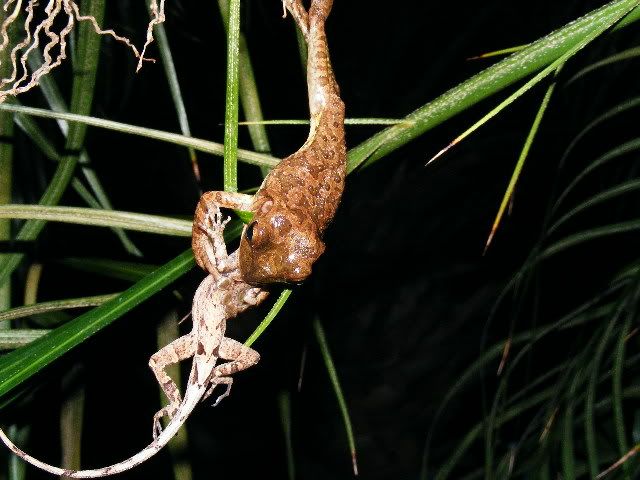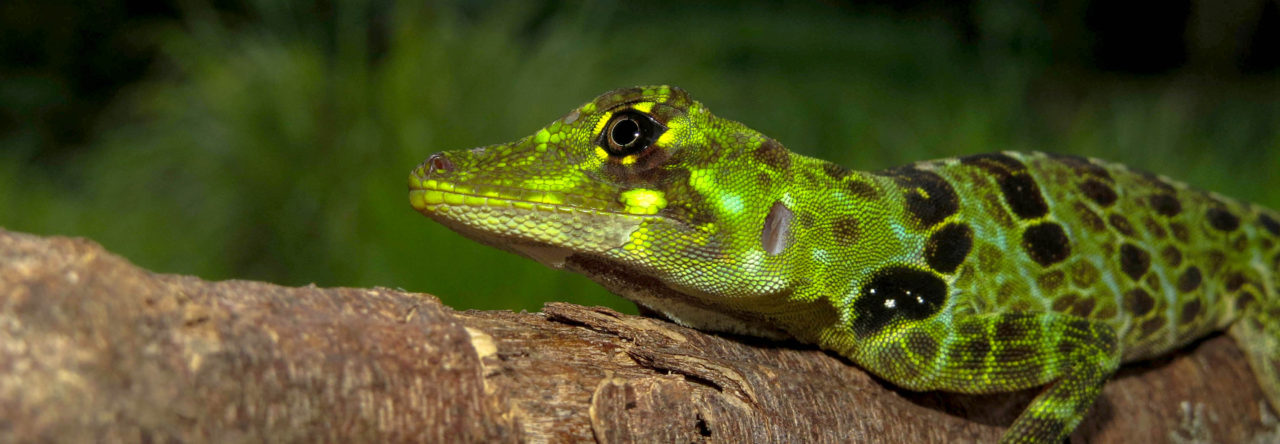
Not sure how I came across these on the web, but I found Robert Hoogveld’s flickr page and he kindly allowed me to post these fabulous photos. Some may recall the post on Robert’s article on A. proboscis two years ago. Apparently, he has some more good stuff up his sleeves, or so he tells me.

Anolis marmoratus. Photo by Robert Hoogveld

Anolis (Chamaelinorops) barbouri. Photo by Robert Hoogveld.

Anolis oculatus. Photo by Robert Hoogveld